Extreme heat and cold aren't just uncomfortable — they're dangerous. Connect instantly with HVAC technicians ready to restore your heating and cooling now.
Zero Dispatch Lag
Connected in under 60 seconds
Rapid Arrival
Local emergency technicians nearby
Top-Tier Quality
Vetted independent businesses
Licensed & Insured
Compliance & safety guaranteed
Crucial diagnostic tips to survive extreme temperature conditioning failures before help arrives.
What to do: If your AC is blowing room temperature air during extreme heat, check your exterior condenser unit to verify the fan is running. Clear away dead leaves or debris. If the fan is stopped, shut down the system immediately to avoid compressor burnout. Contact the emergency hotline for immediate AC dispatch.
What to do: If your heating cuts off in freezing weather, check your thermostat batteries first, and verify the furnace breaker is not tripped. Stay inside a single insulated space to retain body heat. Contact the emergency hotline immediately to dispatch an emergency heating specialist.
What to do: If water is actively leaking or ceiling plaster is sagging near your ceiling register, your AC drain line is clogged, causing overflow. Turn off the air conditioner at the thermostat immediately to stop water production. Contact the emergency hotline to have a technician clear your line.
What to do: If your heater continually tries to ignite but turns off after a few seconds, you likely have a degraded flame sensor, faulty thermocouple, or blocked flue pipe. Do not attempt manually lighting gas ports. Shut down the thermostat and contact the emergency hotline for an expert safety fix.
Prevent emergencies with proactive seasonal maintenance. Follow this calendar to keep your HVAC system running reliably year-round.
Emergency Prevention Tip: Schedule professional tune-ups twice yearly (spring for AC, fall for furnace). Regular maintenance prevents 85% of emergency breakdowns and extends equipment life by 5-10 years.
Connecting you immediately to trusted professional specialists for any heating or cooling repair.
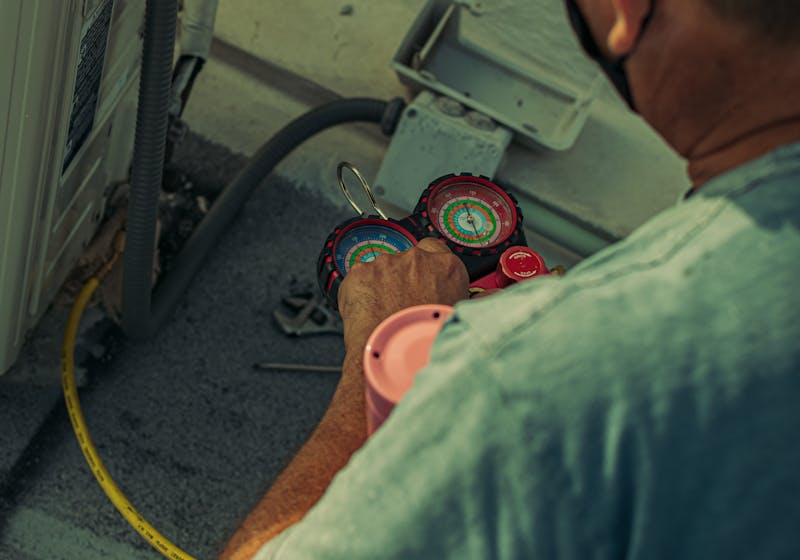
Emergency repairs for failed compressors, refrigerant leaks, fan motor burnouts, and frozen evaporator coils to bring cooling relief to your home.
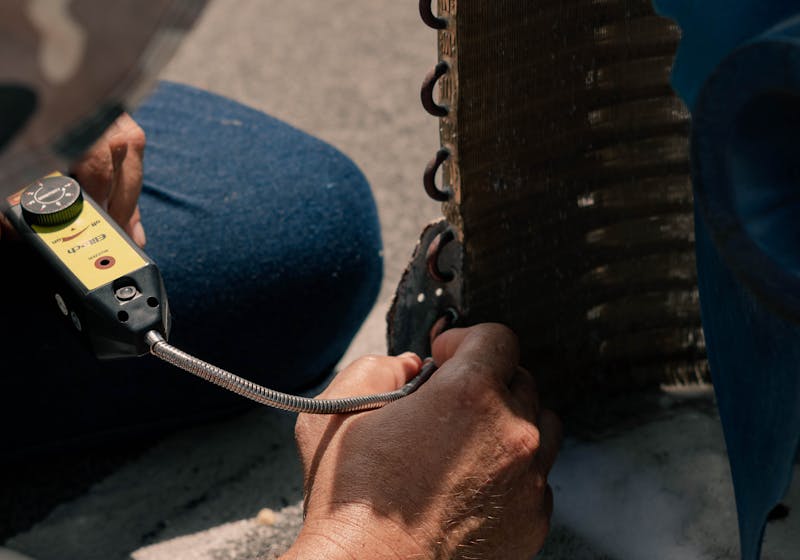
Rapid diagnostics for gas, oil, electric, or heat pump heating systems. Immediate repairs for flame sensors, blower fans, or pilot light assemblies.
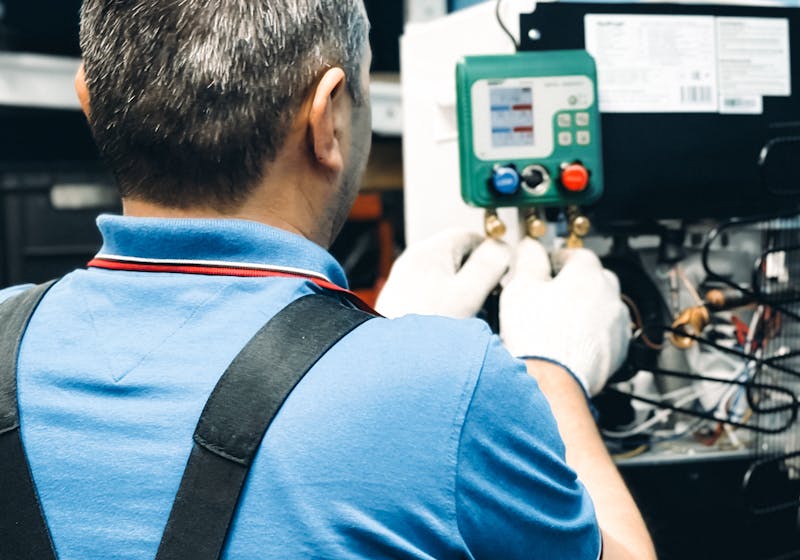
Fast matching with technicians to clear blocked condensation drains, replace burnt thermostats, and restore proper airflow and ventilation.
Extreme temperatures represent highly dangerous health situations for elderly, infants, and pets. EmergyFix bypasses the standard frustration of waiting for call-backs by routing your distress calls to the nearest active emergency dispatchers instantly.
Our real-time router links your call immediately to active, licensed HVAC businesses in your county.
We partner exclusively with verified independent contractors with high local ratings.
No referral fees or obligations. You only negotiate and pay the technician directly for diagnostic work and actual approved repairs.
No AC in 100° heat or no heat in freezing cold is dangerous. Call now for immediate dispatch of a licensed HVAC technician.
Free, fast call connection. No waiting on hold.
Clear, immediate answers regarding emergency heating and cooling services.
True HVAC emergencies include complete furnace failure during sub-freezing temperatures, complete air conditioner failure in extreme heat waves, massive condensed water leaking into drywall ceiling registers, or sparking/buzzing system noises.
Most dispatched local heating and cooling specialists arrive in 30 to 60 minutes after your initial call, depending on local weather conditions, traffic volumes, and current dispatcher queue sizes in your city.
Yes, our direct referral routing is completely free of charge to all property owners. You only negotiate, approve, and pay the technician directly for diagnostic work and physical repairs they perform at your property.
Yes. We coordinate exclusively with licensed, EPA-certified, and fully insured independent HVAC businesses to guarantee safety compliance with regional building standards and state regulations.
Shut down the system at your thermostat to prevent electrical or mechanical burnout, clear space around your indoor furnace or outdoor compressor unit, and keep your phone close so the incoming technician can contact you directly with their ETA.
Standard 1-inch filters should be replaced every 30-90 days, or monthly if you have pets, allergies, or high usage. Larger 4-inch filters can last 6-12 months. Clogged filters restrict airflow, force your system to work harder, increase energy bills, and can cause frozen coils or overheating. Check filters monthly and replace when visibly dirty.
Heat pumps provide both heating and cooling by reversing refrigerant flow. A heat pump failure means you lose both functions. Furnaces only provide heating (gas, electric, or oil). Heat pump failures often show as: running constantly but not heating, switching to emergency heat mode, or icing on the outdoor unit. Furnace failures show as: no heat production, strange smells, or clicking without ignition. Both require immediate service in extreme weather.
Select your state and city to reach our local HVAC dispatchers directly.